














With the rapid growth of international trade, companies and customers have higher expectations for transportation efficiency, cost control, and reliability. The two primary modes of freight transport—air freight and sea freight—serve distinct purposes, each with its unique advantages and limitations. Understanding the characteristics of both methods helps businesses make informed decisions and choose the most suitable option for their needs. In this article, we will explore the advantages and disadvantages of air freight and sea freight and provide insights into how to decide the best shipping method based on your business requirements.
What Is Air Freight?
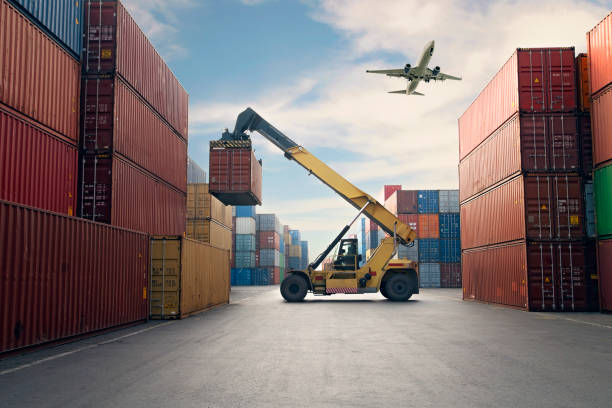
Air freight refers to the transportation of goods via an airline's aircraft. The primary advantage of air freight is speed; goods can be transported between airports in a matter of days, which is significantly faster than sea freight. Air freight is commonly used for urgent or small shipments, especially for high-value products or time-sensitive orders.
It is best suited for transporting smaller volumes of goods, such as electronics, pharmaceuticals, luxury items, and food products, that require quick turnaround times. Due to its speed, air freight can meet tight deadlines and ensure customer satisfaction, but it comes with higher costs compared to sea freight.
Advantages of Air Freight
Advantages:
Fast Delivery:
The biggest advantage of air freight is speed. Air shipments can be delivered in just 2 to 5 days, compared to sea freight, which can take several weeks. For businesses with urgent orders or customers with time-sensitive needs, air freight ensures that goods arrive quickly and on schedule.High Security:
Air freight is generally considered more secure than sea freight. Since air cargo is subject to stringent checks and monitoring, the risk of theft, damage, or loss is minimized. This makes air freight an ideal choice for high-value goods.Global Reach:
Air freight services are available from almost every major airport around the world, providing businesses with the ability to reach global markets. Whether you're shipping from a small regional airport or a major international hub, air freight can ensure reliable and timely deliveries across the globe.Fewer Transshipment Points:
Compared to sea freight, air freight typically involves fewer transshipment points. This reduces the risk of delays caused by port congestion or changes in shipping schedules, making it a more reliable option for time-sensitive shipments.
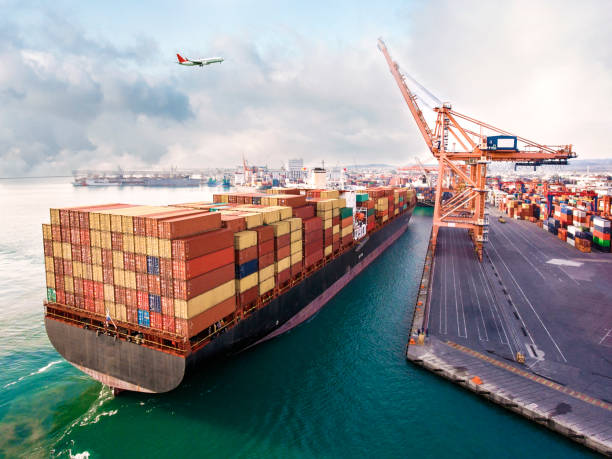
When to Choose Air Freight?
Urgent Orders:
When you have time-sensitive orders that need to reach customers quickly, air freight is the best option. For example, if your company has a limited-time promotion or needs to restock inventory urgently, air freight will ensure that goods arrive on time.High-Value Goods:
Air freight is ideal for shipping high-value products, such as electronics, luxury goods, and medical supplies. The enhanced security features of air cargo reduce the risk of damage or theft, ensuring that valuable goods are transported safely.Small Shipments:
If you're shipping smaller volumes of goods, air freight can be a more efficient and convenient solution. Although air freight is more expensive, it allows for quick and easy shipping without the need for large volumes or space.Inventory Replenishment:
For businesses that need frequent replenishment of stock, air freight provides a fast and reliable way to keep up with demand. It can help reduce inventory pressure and prevent stockouts, ensuring continuous product availability for your customers.
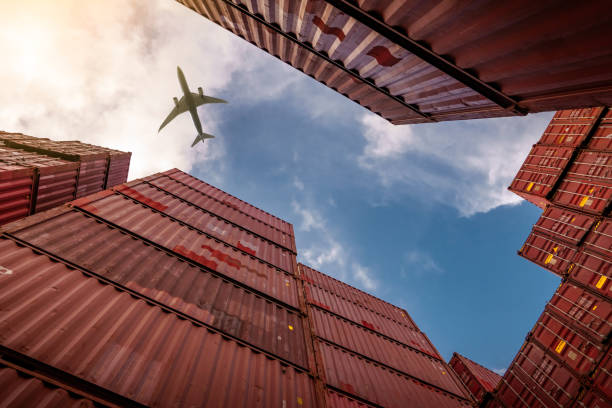
Cost Structure of Air Freight
Air freight is significantly more expensive than sea freight, and several factors contribute to the cost:
Weight and Volume:
Air freight charges are typically calculated based on the weight and volume of the shipment. Heavier or larger items tend to incur higher costs. Many airlines use volumetric weight to calculate costs, which means if the cargo is light but bulky, it may still be charged as if it were heavier.Distance:
The cost of air freight depends on the distance between the origin and destination. Long-haul international flights typically cost more than domestic flights or shorter routes. Longer distances result in higher fuel costs and greater logistical complexity.Urgency:
If your shipment requires expedited delivery, it will typically incur additional costs. For example, urgent or priority flights usually come with an extra charge to ensure the cargo is delivered as quickly as possible.Additional Fees:
In addition to basic freight charges, there may be additional fees for fuel surcharges, insurance, warehouse handling, and customs clearance. These fees vary depending on the airline, the cargo, and the destination.
Air Freight vs. Sea Freight: When to Use Which?
Choosing between air freight and sea freight depends on several factors, including the nature of the cargo, the delivery time required, and the available budget.
Air Freight is Ideal for:
Time-sensitive goods that must be delivered quickly.
High-value, lightweight items.
Small-volume shipments or quick replenishment of stock.
Sea Freight is Best for:
Large volumes or bulk shipments.
Low-cost transportation for goods that are not urgently needed.
Heavy or oversized goods that cannot be transported by air.
Each transportation method has its strengths, and most businesses find they need to use both options depending on the situation. For time-sensitive deliveries or high-value goods, air freight offers unparalleled speed and security. For large shipments or cost-conscious businesses, sea freight remains the go-to choice
Conclusion:
Both air freight and sea freight have distinct advantages and challenges. By understanding your business’s specific needs—whether it’s speed, cost, or the nature of the goods—you can choose the most suitable shipping method. EVERGRAND Logistics offers decades of expertise in providing air and sea freight solutions, helping businesses optimize their transportation strategies. Whether you're looking for a fast solution for urgent orders or a cost-effective method for bulk shipments, EVERGRAND can customize a logistics plan that meets your unique requirements.
If you have air freight or sea freight needs, feel free to contact us at EVERGRAND. We’ll ensure your goods are delivered safely, efficiently, and on time, helping you maintain a competitive edge in the global marketplace.