














Global trade has become faster, more competitive, and significantly more complex than ever before. While international markets create huge opportunities for growth, they also bring challenges in shipping, customs, documentation, and coordination across multiple countries.
Because of this, many companies choose to work with professional providers such as EVERGRAND, relying on structured freight forwarding services to manage their international logistics more efficiently and with fewer risks.
Understanding Freight Forwarding Services in Real Business Terms
In simple terms, freight forwarding services are about organizing and managing the movement of goods across borders. A freight forwarder acts as a logistics coordinator, ensuring that every step of the shipment process is properly arranged.
This typically includes:
Booking cargo space with carriers
Handling export and import documentation
Managing customs clearance procedures
Coordinating transportation between different legs of the journey
Supporting warehousing and cargo consolidation when needed
Instead of dealing with multiple carriers and procedures directly, businesses rely on a single partner to manage the full logistics flow.

Why Businesses Prefer Freight Forwarding Services
1. International Shipping Is Too Complex to Handle Alone
Cross-border shipping involves different regulations, documentation requirements, and transport systems. Even a small mistake in paperwork can lead to delays or extra costs.
By using international freight forwarding, companies can simplify this complexity. Experienced providers like EVERGRAND already understand the requirements in different countries, which helps avoid unnecessary disruptions.
2. Better Cost Control Across Global Shipping Routes
Shipping costs are not fixed and can vary depending on carriers, seasons, and routes. One of the key advantages of working with freight forwarding companies is access to negotiated shipping rates and optimized routing.
This often results in:
More stable freight pricing
Consolidated shipments for lower cost per unit
Smarter route selection based on time and budget needs
For many businesses, this level of cost control is difficult to achieve independently.
3. Reduced Risk in Customs and Compliance
Customs clearance is one of the most sensitive parts of international trade. Incorrect classification, missing documents, or regulatory errors can cause serious delays.
Professional freight forwarders help ensure that:
Documentation is prepared correctly
Customs regulations are followed properly
Cargo is classified under the correct HS codes
This significantly reduces operational risk, especially for businesses shipping to multiple countries.
4. More Reliable Global Logistics Execution
Modern supply chains depend on timing and coordination. Delays in one segment can affect the entire operation.
Through structured global logistics solutions, freight forwarders help synchronize different transport stages and provide better visibility across the supply chain.
EVERGRAND, for example, supports businesses with end-to-end coordination, helping ensure goods move smoothly from origin to destination.
5. Flexibility for Business Growth
As businesses expand internationally, logistics requirements become more demanding. Shipment volumes increase, destinations multiply, and operational pressure grows.
Working with experienced freight forwarding services allows companies to scale more easily without building complex in-house logistics systems. This flexibility is especially valuable for manufacturers and exporters entering new markets.
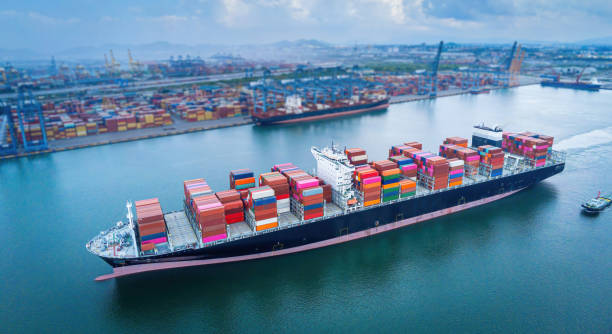
EVERGRAND’s Role in Supporting Global Trade
EVERGRAND focuses on providing practical and reliable logistics support for international businesses. Instead of offering one-size-fits-all solutions, the approach is based on real shipping needs and operational conditions.
Typical advantages include:
Practical handling of international shipments
Coordination across multiple transport modes
Support for customs and documentation processes
Consistent communication throughout the shipping cycle
The goal is simple: make international logistics easier to manage and more predictable for businesses engaged in global trade.

Final Thoughts:
Businesses rely on freight forwarding services because international shipping requires experience, coordination, and careful management. From customs clearance to carrier selection, the process involves too many variables to handle efficiently alone.
With the support of professional partners like EVERGRAND, companies can better manage international freight forwarding, improve operational stability, and focus more on their core business rather than logistics complexity.