














In today’s globalized world, businesses and individuals increasingly rely on international shipping. Consequently, understanding customs clearance services has become essential for anyone involved in importing or exporting goods. These services ensure that products move smoothly across borders while complying with local laws and regulations. Without proper customs clearance, shipments can face delays, fines, or even confiscation. Therefore, gaining insight into how these services operate is crucial for efficient logistics management.
The Role of Customs Clearance Services
First and foremost, customs clearance services are designed to handle all necessary paperwork and procedures for importing and exporting goods. This includes preparing documents such as commercial invoices, packing lists, and certificates of origin. Additionally, customs brokers or service providers verify that products meet the relevant import/export regulations. By managing these tasks, customs clearance services help prevent errors that could result in shipment delays or penalties. As a result, businesses can save both time and money.
Key Steps in the Customs Clearance Process
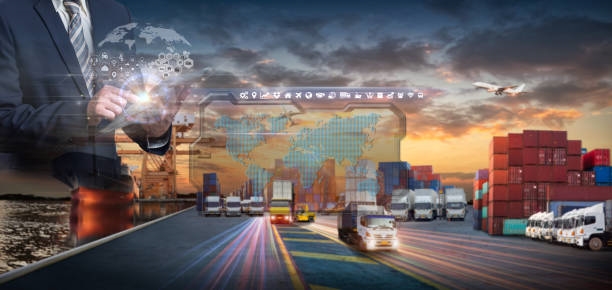
Understanding the step-by-step process can clarify how customs clearance services function. Initially, the shipment’s documentation is prepared and submitted to the appropriate customs authorities. Following submission, the goods may undergo inspection or verification, depending on the product type and country regulations. After approval, any applicable duties or taxes are calculated and collected. Finally, the shipment is cleared, allowing it to reach its destination. Throughout this process, customs clearance service providers communicate with both shippers and authorities, ensuring a seamless flow of information.
Benefits of Using Professional Customs Clearance Services
Moreover, relying on professional services offers numerous advantages. Businesses can avoid common pitfalls, such as misclassified goods or incomplete documentation, which often lead to costly delays. Additionally, these services can provide guidance on the latest regulations and trade agreements, helping companies remain compliant and competitive. Furthermore, outsourcing customs clearance allows businesses to focus on core operations rather than spending time navigating complex legal requirements. Consequently, efficient customs clearance contributes directly to smoother supply chain operations.
Conclusion
In conclusion, customs clearance services play a pivotal role in international trade by ensuring that goods comply with legal requirements and reach their destinations without unnecessary delays. By handling documentation, liaising with authorities, and providing expert guidance, these services simplify the often complicated process of cross-border shipping. Therefore, whether for large enterprises or small businesses, leveraging professional customs clearance services is essential for smooth and efficient global trade.