













Moving goods from a factory to a warehouse involves several transportation stages, including cargo pickup, export customs clearance, international transportation, import procedures, and final delivery. Managing each stage separately can create communication difficulties, increase administrative work, and lead to unexpected delays. Therefore, businesses increasingly rely on a global door-to-door logistics service to simplify international shipping and coordinate the entire process through one logistics partner. This approach helps importers and distributors manage their supply chains more efficiently while maintaining better visibility over cargo movements.
With extensive experience in international freight forwarding, EVERGRAN supports businesses with shipping arrangements from factories to overseas destinations. By coordinating transportation resources and logistics partners, companies can reduce the complexity of dealing with multiple service providers and focus more on their daily operations.
1. Understand How Door-to-Door Shipping Works
Door-to-door shipping is a transportation arrangement in which a logistics provider coordinates the movement of goods from the shipper's location to the consignee's designated delivery address. Unlike port-to-port or airport-to-airport transportation, this arrangement covers multiple stages of the shipping process. Depending on the service agreement, it may include factory pickup, export handling, international freight, customs clearance, and final warehouse delivery.
For businesses sourcing products from overseas manufacturers, this approach offers greater convenience because they do not need to arrange every transportation stage independently. Moreover, working with one logistics provider makes communication easier and helps reduce coordination problems between different parties. Whether companies ship by sea, air, or other transportation methods, an integrated shipping arrangement can make international cargo movement more manageable.
2. Simplify Factory Pickup and Export Transportation
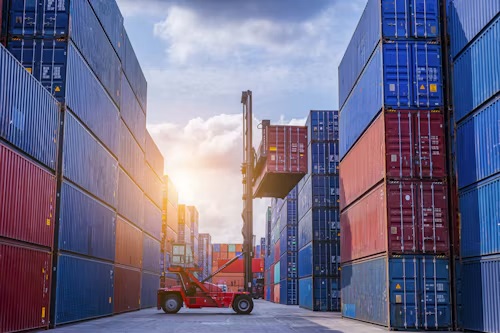
The shipping process usually begins when goods are ready at the manufacturing facility. At this stage, the logistics provider coordinates cargo collection, transportation arrangements, and warehouse or port delivery according to the agreed schedule. Proper planning is important because factory production delays, incomplete packaging, or inaccurate cargo information may affect the entire transportation timeline.
Before pickup, businesses should confirm the cargo quantity, dimensions, gross weight, packaging conditions, and collection address. In addition, they should communicate the estimated cargo readiness date so that the freight forwarder can arrange suitable vehicles and transportation capacity. By organizing these details in advance, companies can reduce unnecessary waiting time and avoid disruptions during the initial shipping stage.
Export customs clearance is another important part of the process. Commercial invoices, packing lists, and other required documents must be prepared accurately to support customs declarations. Furthermore, the logistics provider should coordinate with the relevant parties to address documentation issues before they affect the shipment schedule.
3. Choose the Right International Transportation Method
Selecting an appropriate transportation method is essential for balancing delivery time and shipping costs. Sea freight is generally suitable for large-volume cargo and shipments with flexible delivery schedules because it offers competitive transportation costs. In contrast, air freight is often preferred for urgent orders, smaller shipments, or products that need to reach overseas markets quickly.
However, the most suitable option depends on several factors, including cargo volume, destination, delivery deadline, and transportation budget. For example, businesses importing heavy machinery or large quantities of packaging materials may benefit from sea transportation. Meanwhile, companies shipping samples, replacement parts, or time-sensitive commercial goods may find air transportation more practical.
An experienced logistics provider can evaluate available routes and recommend a transportation plan according to the shipment's actual requirements. As a result, businesses can avoid choosing a shipping method based only on the initial freight quotation. Moreover, a well-planned transportation arrangement helps companies balance delivery expectations with overall logistics expenses.
4. Coordinate Customs Clearance and Destination Delivery
After international transportation, goods must complete import customs procedures before reaching the final warehouse. Customs requirements vary depending on the destination country, product category, declared value, and applicable import regulations. Therefore, accurate documentation and advance preparation are essential for reducing potential clearance delays.
A professional provider offering international door-to-door shipping can coordinate with destination agents to manage import procedures and arrange subsequent transportation. This coordination is particularly valuable for businesses unfamiliar with local customs requirements or international shipping documentation. Moreover, early communication about duties, taxes, and other destination charges helps importers understand their potential costs before the cargo arrives.
Once customs clearance is completed, the shipment can move to the consignee's warehouse or designated delivery address. The destination agent coordinates local transportation based on delivery requirements, warehouse availability, and unloading arrangements. By connecting these activities with the earlier shipping stages, businesses can maintain a smoother transition from international transportation to final receipt.
5. Improve Supply Chain Efficiency Through Integrated Logistics Services
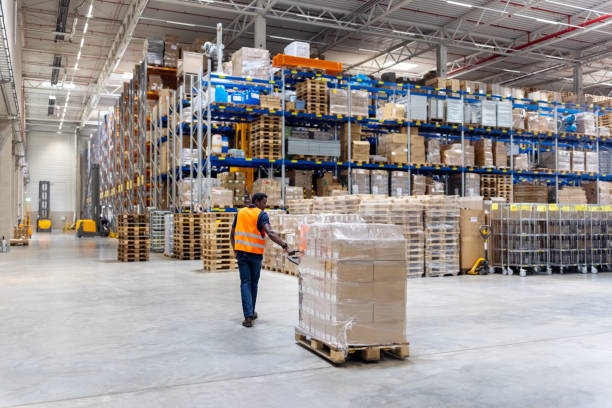
Managing international shipments through multiple independent providers can create unnecessary administrative work. For instance, businesses may need to communicate separately with pickup companies, freight forwarders, customs brokers, and local delivery providers. When information is not shared effectively, misunderstandings can occur, making it more difficult to track cargo movements and respond to unexpected changes.
An integrated global door-to-door logistics service helps address these challenges by coordinating the main transportation stages through a unified service arrangement. Instead of managing several separate contracts and communication channels, businesses can work with one logistics partner that oversees the shipping process. Furthermore, centralized coordination makes it easier to obtain shipment updates, identify potential delays, and adjust transportation arrangements when necessary.
This approach can improve operational efficiency in several ways. Businesses can spend less time coordinating different service providers, improve communication between shipping stages, and gain a clearer understanding of transportation progress. In addition, consolidated logistics planning helps companies manage shipping schedules and inventory replenishment more effectively, especially when handling regular international orders.
6. Select a Reliable Door-to-Door Logistics Partner
Choosing the right logistics partner is important for maintaining consistent transportation performance. Businesses should consider the provider's international shipping experience, transportation resources, customs coordination capabilities, and overseas agent network. Equally important, the provider should understand different cargo requirements and offer flexible arrangements rather than applying the same shipping solution to every shipment.
Communication is another essential consideration. A reliable logistics partner should provide clear information about pickup schedules, transportation routes, estimated delivery times, and potential additional charges. Moreover, when unexpected situations arise, timely updates and practical alternative arrangements can help businesses minimize disruptions to their supply chains.
For companies shipping products from China to overseas markets, working with an experienced freight forwarder can simplify the entire process. Professional freight forwarding services connect factory pickup, international transportation, customs procedures, and final delivery into a coordinated arrangement. This allows businesses to focus more on production, purchasing, and customer relationships while their logistics partner manages the transportation process.
Conclusion
Moving products from a factory to an overseas warehouse involves much more than arranging international transportation. Businesses must coordinate cargo pickup, export documentation, freight arrangements, customs clearance, and final delivery to ensure that every stage operates smoothly. By integrating these activities, door-to-door shipping can reduce administrative complexity, improve communication, and make international supply chain management more efficient.
Ultimately, choosing the right global door-to-door logistics service helps businesses simplify one-stop shipping while maintaining better control over transportation schedules and costs. With coordinated logistics services and an experienced freight forwarding partner, companies can move goods from factories to warehouses more efficiently and support their international business operations.